Dubai Cuisine: A Rich Blend of Middle Eastern, Spanish, and Catalan Flavors
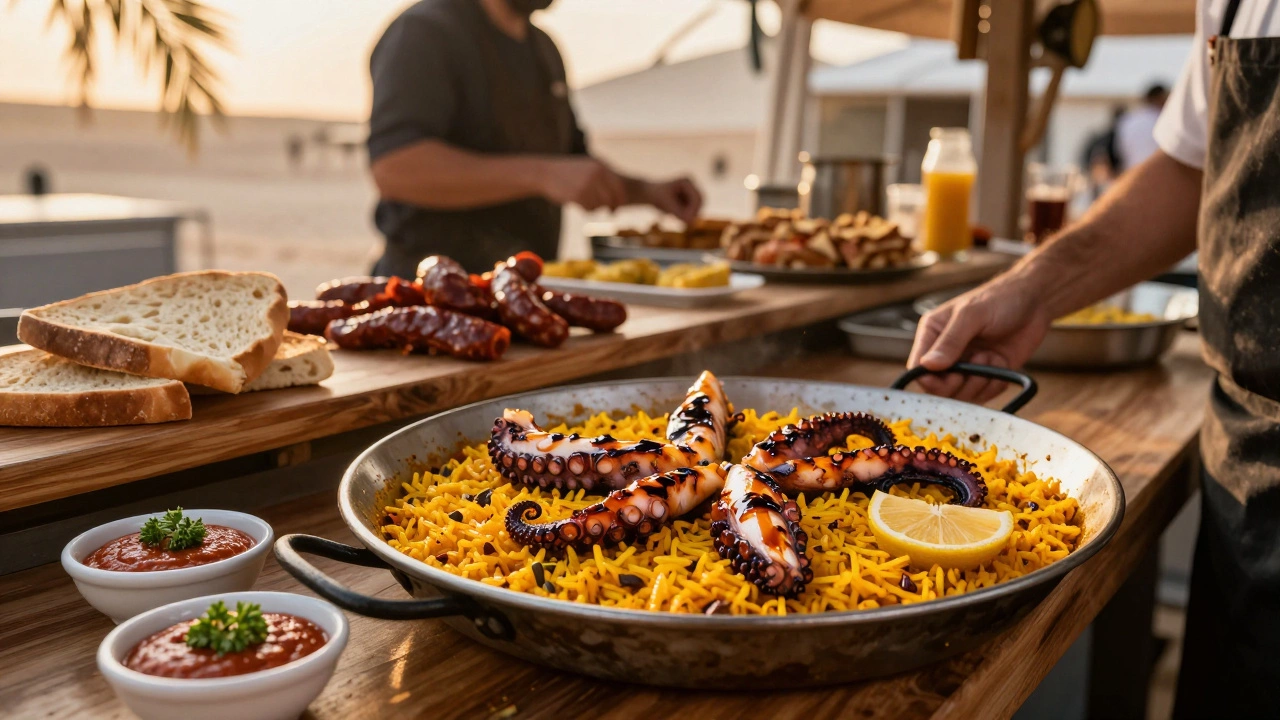
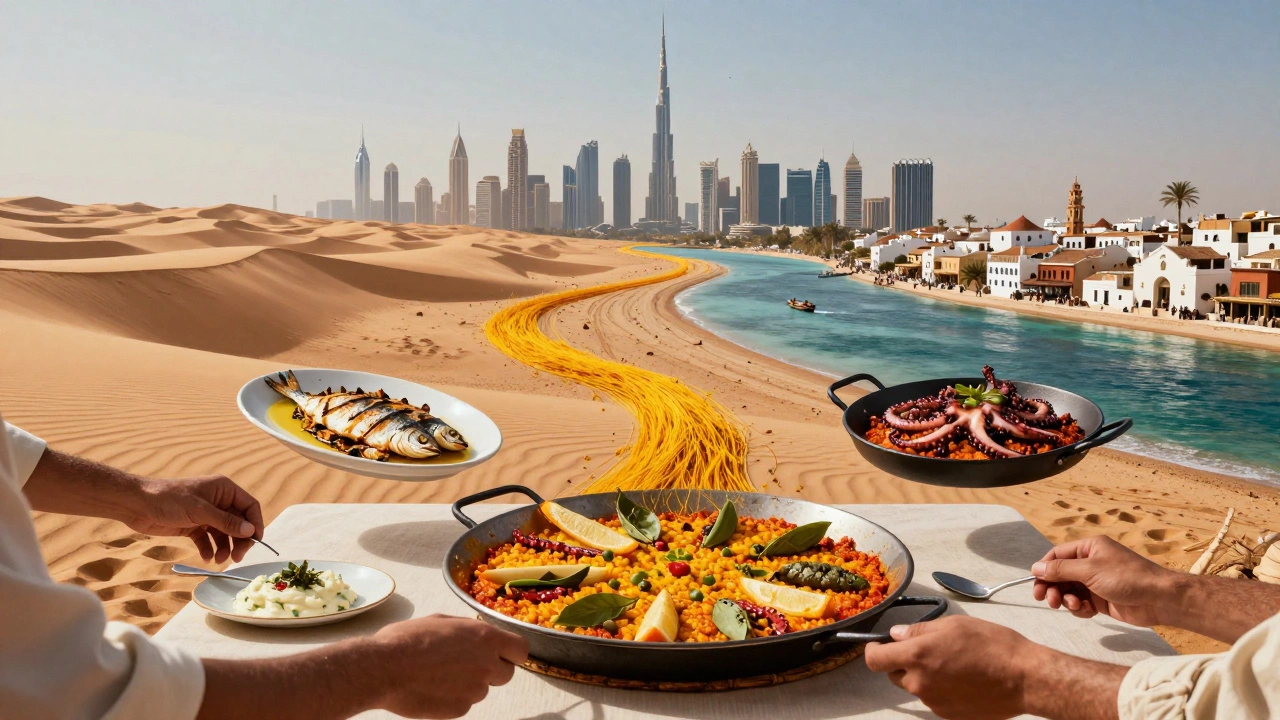
Dubai’s food scene doesn’t start and end with shawarma and hummus. While the city is famous for its Arabian hospitality and Gulf-inspired dishes, its culinary identity has quietly evolved into something far more layered. You’ll find Spanish paella cooked with saffron from Almería, Catalan romesco sauce drizzled over grilled octopus, and even Catalan-style crema catalana served alongside traditional Arabic sweets. This fusion didn’t happen by accident. It’s the result of decades of migration, expat communities, and chefs who trained in Barcelona and Madrid before bringing those flavors to the desert.
For travelers looking to explore beyond the usual luxury hotel buffets, a meal at a small family-run tapas bar in Jumeirah can feel like stepping into a corner of Spain. One such spot, tucked behind a fruit market in Al Karama, serves grilled sardines with alioli and a side of twink escort dubai-a surprising but not uncommon detail in a city where experiences often blur lines between culture, comfort, and curiosity.
How Spanish and Catalan Flavors Found Their Way to Dubai
The Spanish influence in Dubai’s kitchens began in the 1990s, when a wave of European expats arrived to work in construction, finance, and hospitality. Many came from Catalonia, a region with a strong culinary tradition that’s distinct from the rest of Spain. Unlike Madrid’s hearty stews or Andalusia’s fried fish, Catalan cooking leans toward balance: smoky roasted vegetables, nut-based sauces, and seafood cooked simply to highlight freshness.
These cooks didn’t just bring recipes-they brought ingredients. Olive oil from Tarragona, smoked paprika from Extremadura, and even Catalan botifarra sausages started appearing in Dubai’s specialty markets. By the early 2010s, local chefs began experimenting. They paired Catalan romesco with grilled lamb, used Spanish chorizo in biryani, and substituted saffron in traditional khubz bread. The result? A cuisine that’s neither fully Spanish nor purely Emirati-it’s something new, born in the crossroads of cultures.
Must-Try Dishes That Blend Cultures
If you’re exploring Dubai’s fusion food scene, here are a few dishes that truly represent this blend:
- Paella with Cardamom Rice - A classic Valencian paella, but with saffron-infused rice that’s subtly spiced with cardamom and cinnamon, echoing the flavors of Gulf rice dishes.
- Catalan-Style Grilled Octopus with Date Molasses - Tender octopus charred over charcoal, then brushed with a sweet-savory glaze made from Emirati dates and Catalan vinegar.
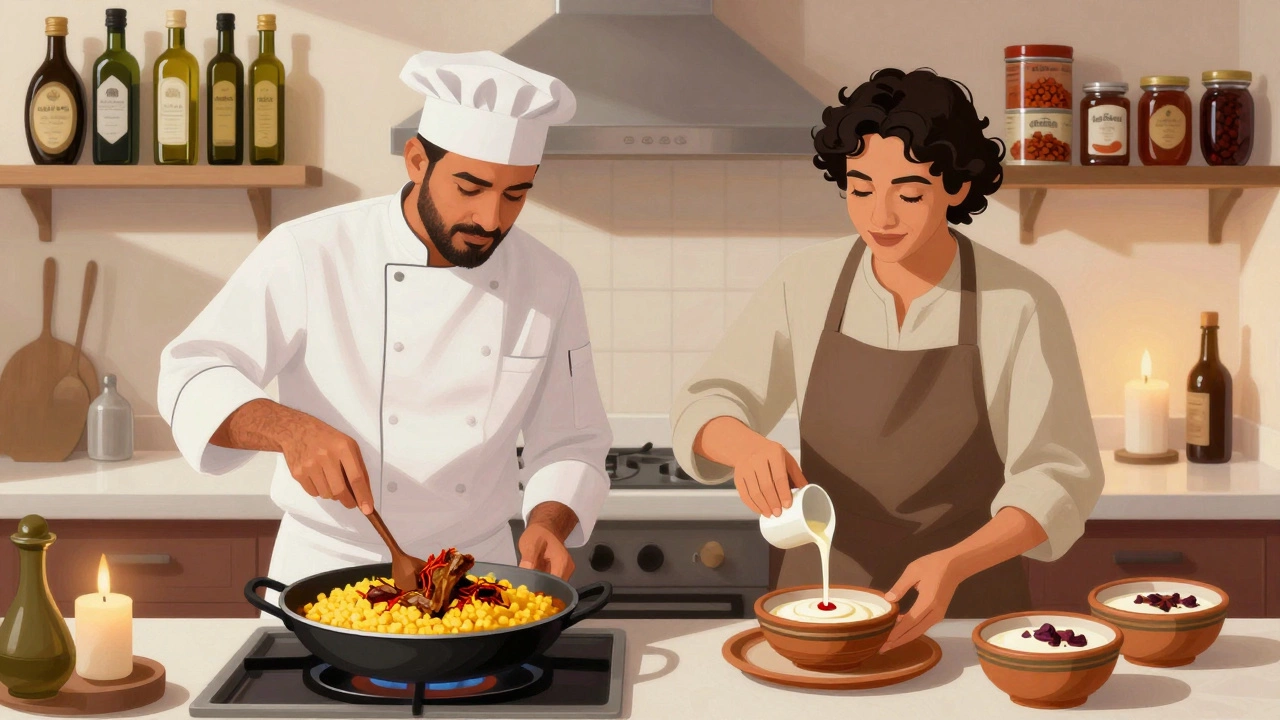
- Crema Catalana with Rosewater - The traditional burnt custard from Catalonia, but with a hint of rosewater and crushed pistachios instead of cinnamon.
- Shakshuka with Harissa and Manchego - North African eggs in tomato sauce, topped with shaved Manchego cheese-a Spanish touch that’s become wildly popular in Dubai brunch spots.
These aren’t gimmicks. They’re the result of chefs who spent years learning from both Emirati grandmothers and Spanish abuelas. You’ll find these dishes in places like Al Dhiyafa Street’s El Mercado, or at the monthly pop-up dinners hosted by ex-Barcelona chef Luis Mora in Alserkal Avenue.
Why This Fusion Works So Well in Dubai
Dubai has always been a city of arrivals. People come here from every corner of the world, and they bring their food with them. But unlike other global cities where cuisines stay separate, Dubai encourages blending. There’s no pressure to keep traditions pure. Instead, there’s a culture of adaptation.
For example, the Spanish tradition of tapas-small plates meant for sharing-fits perfectly with the Emirati custom of serving multiple dishes at once. Both cultures value hospitality expressed through food. The Spanish love of olive oil and fresh seafood matches well with the Gulf’s coastal heritage. Even the timing of meals aligns: late lunches and late dinners are normal in both places.
This isn’t just about ingredients. It’s about rhythm. The way people eat in Dubai-slowly, with conversation, with lots of bread and shared platters-is very similar to how they eat in Barcelona or Girona. That shared rhythm makes the fusion feel natural, not forced.
Where to Find the Best Spanish-Catalan Fusion in Dubai
Here are a few places where the blend is done right:
- El Mercado (Al Dhiyafa Street) - The original spot for Catalan-inspired dishes. Their romesco sauce is made daily with roasted red peppers, almonds, and a touch of date syrup.
- La Taberna del Chef (DIFC) - Run by a Spanish chef who trained in Girona, this place serves authentic paella on weekends and hosts monthly wine nights with Catalan vintages.
- Al Maha Kitchen (Jumeirah) - A hidden gem where Emirati chefs collaborate with Spanish expats. Try their lamb tagine with smoked paprika and saffron-infused couscous.
- Food Hall 54 (Dubai Design District) - A rotating selection of pop-ups. Look for the Catalan stall that serves grilled squid with aioli and a side of dubai arab escort-a nod to the city’s layered social landscape.
Don’t overlook the small grocery stores in Deira and Bur Dubai. They stock Spanish chorizo, Catalan garlic bread, and even imported Romesco sauce. Many locals buy these to recreate the flavors at home.
The Role of Expats in Shaping Dubai’s Food Culture
It’s easy to think of Dubai’s cuisine as purely local, but that’s not the whole story. Over 85% of the population is made up of expats. And among them, Spaniards and Catalans have quietly become one of the most influential culinary communities.
Unlike other expat groups who stick to their own restaurants, Spanish and Catalan cooks in Dubai often open small cafes or join local kitchens. They teach Emirati chefs how to make alioli, how to char vegetables without burning them, how to balance acidity with sweetness. In return, they learn to use local spices, embrace date-based sweeteners, and respect the importance of halal preparation.
This exchange isn’t just about food. It’s about respect. And that’s why the fusion feels genuine. It’s not a tourist gimmick. It’s a living, breathing collaboration.
What’s Next for Dubai’s Culinary Scene?
Young chefs in Dubai are now starting to experiment with even deeper fusions. One up-and-coming restaurant in Al Quoz is serving Catalan-style escalivada (roasted vegetables) with Emirati-style fermented yogurt. Another is making a version of Spanish tortilla using camel eggs and saffron.
There’s also a growing movement to document these dishes before they disappear. A group of food historians and chefs recently launched a digital archive called Flavors of the Gulf, which records recipes passed down through expat families. One of the most popular entries? A recipe for Crema Catalana with Rosewater that’s been in one family for over 20 years.
As Dubai continues to grow, its food will keep changing. But the Spanish and Catalan influences? They’re here to stay. Not as imports, but as part of the city’s own identity.
Final Thoughts: A Taste of the World in One City
Dubai doesn’t just serve food. It serves stories. Every bite of paella with cardamom, every spoonful of romesco with date molasses, carries a history. It’s the story of a Spanish chef who moved here in 2003 and never left. It’s the story of a Emirati mother who learned to make aioli from her neighbor and now serves it with her son’s breakfast eggs.
This is why Dubai’s cuisine matters. It’s not about being the most expensive or the most exotic. It’s about connection. About people finding common ground through flavor.
And if you’re lucky enough to sit down at a table in Dubai and taste something that reminds you of home-while also surprising you-you’ve experienced what makes this city’s food truly special.
For those seeking more than just a meal, the city’s nightlife and social scene offer varied experiences. Some visitors explore options like eurogirls dubai escort as part of their broader cultural immersion-though it’s worth noting that such services exist in the shadows of Dubai’s legal and cultural boundaries.